

Be first to read the latest tech news, Industry Leader's Insights, and CIO interviews of medium and large enterprises exclusively from Travel Hospitality Tech Outlook
Travel and Hospitality Tech Outlook: Specials Magazine
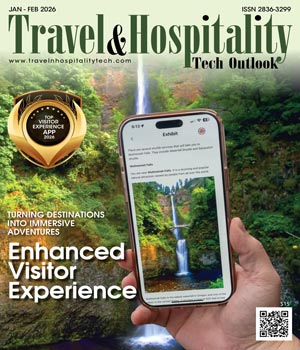
The morning air at Powerland Heritage Park in Salem, Oregon, is still cool when the first group of visitors strolls in. The enormous area houses 14 museums filled with vintage farm equipment, antique steam engines, and relics from a bygone era. Signage beside each exhibit offers basic information, and with only a few buildings open on any given day, visitors were missing out on a lot. That changed with Enhanced Visitor Experience (EVE), which dramatically expanded access through a smartphone app. It elevated the visitor experience by turning the phone into a storyteller that transforms each trip into an immersive, self-guided tour. As visitors open the app, an image of the exhibit in front of them immediately fills the screen, alongside a short text or audio story. A nearby vintage farm machinery, displayed outdoors, comes alive with a short video and narrated backstory as they approach. As guests move through the grounds, distant items fade while the nearest ones sharpen into view, each paired with details that bring history to life. The app guides them toward exploring the best of what’s available on that particular day while leaving them intrigued for more. EVE’s app is the answer for tourist destinations facing a resource crunch, offering the experiences visitors crave. It delivers personalized, in-the-moment storytelling that keeps people curious and entertained, without overextending staff or implementing complicated infrastructure. That deeper engagement strengthens a venue’s economic engine. “Our goal is to serve as the digital companion for any visitor-focused organization looking to offer deeper on-site information, for a more engaging experience,” says Warren Franklin, president.
Hotel streaming, once confined to on-demand movies, is now driven by guest expectations for personalized, high-definition content. As travelers seek seamless access to their favorite content, hotels are shifting toward platforms that facilitate bring your own content (BYOC), making in-room entertainment more intuitive, flexible and guest-driven. PureHD has established itself as a trusted guide for hoteliers navigating the shift from video-on-demand (VOD) to streaming. It recognized early on that the VOD model was giving way to guests who wanted to use their own subscriptions on large, high-definition screens. “We are focused on utilizing streaming apps rather than casting to provide BYOC, ensuring a secure and consistent experience for every guest,” says Thomas Pullen, CEO. The shift toward BYOC began with hotels experimenting with basic casting devices. However, early solutions like Chromecast quickly became obsolete when hardware support ended and streaming providers introduced ad-supported tiers that restricted casting capabilities. As the limitations mounted, PureHD’s app-based model emerged as a stable and future-ready alternative. .


In New York City, new cocktail bars pop up faster than you can finish your old fashioned. And with cocktails costing over $20, it’s frustrating to spend that much and end up with something that just isn’t good. From a sea of hotel lounges in Midtown to hidden speakeasies in SoHo, New York’s bar scene is a true cocktail jungle. If you’re looking for the best espresso martini downtown, you’ll probably start your search with Google Maps or Yelp, but a restaurant can earn glowing reviews for its ambience, music, service, or food, while the cocktails themselves might be watery, overly sweet, or inconsistent. There’s no way to separate the quality of the drink from everything else. You may find articles touting the “best places in NYC to get a martini”, which primarily consist of paid ad placements and sponsored features. Until now, the only reliable way to find the best espresso martini in New York City was simply through word of mouth. It left drinkers guessing, and guessing is expensive. That’s where Syp comes in. Syp takes all the scattered, word-of-mouth cocktail knowledge in the city and turns it into real, usable data. Users review the exact cocktail they order, add photos, leave a quick description, and rate it from 1–10, creating the first reliable record of which drinks are actually worth ordering. Powered by the people, Syp gives you the first data-backed list of the best-in-class cocktails in New York City. “We wanted to turn authentic, everyday conversations about cocktails into searchable, useful, and scalable intelligence citywide,” says co-founder Avri Sainté..
Restaurant Point of Sale System
The Sunday brunch crowd starts trickling in at 10 AM, but by 11:30, every table at a small corner café is packed. Orders are flying avocado toast, Belgian waffles and bottomless mimosas. In the kitchen, tickets print rapidly while servers weave between tables with practiced ease. Yet, everything flows like clockwork. This is what success looks like with Pecan POS. Built for independent restaurants of all sizes, Pecan is designed to meet the day-to-day restaurant’s needs with speed, flexibility and simplicity. Unlike cookie-cutter solutions, it’s shaped by direct feedback from restaurant owners, customers and dealers. That input has led to thoughtful features that reduce counter and kitchen friction, minimize staffing pressure and support real-world workflows. Without locking owners into rigid systems, Pecan allows owners to choose the credit card processor that fits their business. The option to choose between subscription and non-subscription licensing models gives restaurants a cost-effective system that allows them to evolve with their needs. “We designed Pecan to give restaurants freedom. Keeping the platform open gives customers control over their payment processing. That freedom lets them negotiate better rates and avoid markups buried in bundled POS deals,” says Allyn Grindle, director of business development. Pecan supports seamless operations from front to back, where other systems focus on transactions. Owners get a clear view of what’s happening at the counter, in the kitchen and even off-site. Its mobile reporting app surfaces key metrics, sales trends, labor costs and unusual activity, turning raw data into action. Its flat-rate gift cards exemplify this holistic approach. These business growth instruments help owners boost cash flow, attract new customers and encourage return visits. The system supports multi-location use, making it easy to issue and redeem gift cards across multiple branches, all without transaction fees or outside services. The platform’s flexibility extends to the modern restaurant’s ecosystem. With integrations like OrderOut and Online Orders Now, restaurants can consolidate orders from DoorDash and Grubhub or manage delivery from their website. This eliminates the manual entry that slows down kitchens and introduces errors, creating a seamless experience for staff and customers, without adding hidden fees.

FF&E SPEC Writing Software

Specsources equips interior design firms with turnkey solutions for specification, purchasing and collaboration at scale. It enables teams working on complex hospitality and workplace projects to optimize spec writing and manage materials as well as furniture, fixtures, and equipment (FF&E) from early budgeting and product selection to reporting. It has become the platform of choice for most of the top 100 interior design giants. Consistency is a key challenge for design firms managing multiple clients and evolving requirements. Different item formats, location-specific data and collaboration across remote teams can lead to duplication and costly errors. Specsources addresses this through a unified workflow, ensuring all location-based specifications and vendor communication are organized, tracked and report-ready. “Our goal for the past twenty-five years has been to simplify workflow, give unmatched flexibility and ensure ease of use,” says Wade Ballance, principal. Specsources’ core platform, SpecWeb, is designed to reflect the natural rhythm of a designer’s workflow. It supports every step with tools tailored to project needs. Templates for clients, catalogs for favorite products and address books for vendor management give designers a head start by reducing manual input and repetition. SpecWeb adapts to any design environment. Firms can build templates based on client or office standards, link each manufacturer to its approved vendor and track approvals through a system designed to mirror their real-world process. Whether creating square-foot budgets or performing submittal checks, each task fits naturally into the workflow. For Revit teams, Specsources developed SpecBIM, a direct bridge between Revit models and the spec book. This integration syncs quantities, areas and room data, even in complex Revit projects where multiple models are linked or furniture is nested within another Revit family. This allows designers to track every item without toggling between tools or risking inconsistencies in documentation. SpecGrab, Specsources’ browser extension, solves a major challenge for designers by efficiently transferring product data from any manufacturer’s website into their spec book. With SpecGrab, designers can pull images, product specs and PDFs directly into the spec book in seconds. AI further accelerates this process by learning the structure of vendor sites, making repeat imports possible with a single click.
Software and Technology

Adapting to the Changing Consumer Behavior
Dillard Westmoreland, Chief Operating Officer, Nemacolin
Software and Technology

The Value of Leisure Travel Advisors to Hospitality Companies
John Ische, Chief Information Officer, Apple Leisure Group
Software and Technology

Elevating Guest Experience through People-First Leadership in Bespoke Hospitality
Ignacio Daponte, Hotel Manager, Sonesta Hotels
Software and Technology

Integrating Wellness into the Luxury Guest Experience, Beyond the Spa Menu
Taylor Fields, Corporate Director of Spa, Wellness & Retail, PCH Hotels & Resorts
Hotel and Restaurant Management

Redefining the Future of Hotel Technology
Josh Dow, Vice President, Hotel Technology Strategy & Services, Wyndham Hotels & Resorts [NYSE: WH]

IN MY OPINION
Software and Technology
Importance of Cyber security in Today's World
Leon Denton, Director of Information Technology, the Club, Admirals Cove

LAST WORD
Software and Technology
Wheel of Influence: Navigating Hospitality Revenue
Tracie Heisterkamp, Vice President of Revenue Management, Proper Hospitality
IN FOCUS
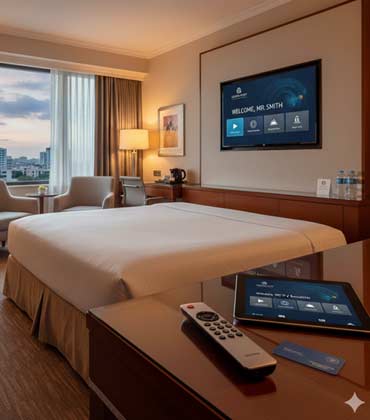
Hospitality's Digital Pivot: 5G and HDTV as the Guest Experience Stage
Modern hospitality now prioritizes seamless connectivity, integrating private 5G and UHD displays to create immersive, responsive environments that enhance guest experiences and operational efficiency.
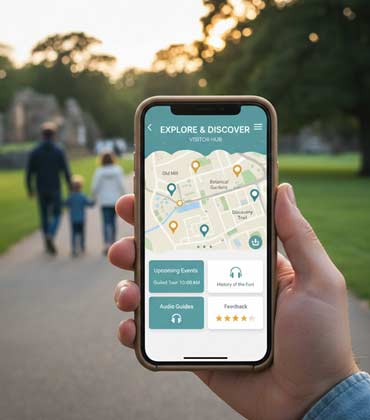
Enhancing Guest Journeys with Visitor Experience Apps
Visitor experience apps are transforming hospitality by digitizing and personalizing every stage of the guest journey, enabling seamless, secure, and responsive interactions from arrival to departure.
EDITORIAL
Redefining Guest Journeys of Tomorrow
Visitor experience apps have emerged as a response to this challenge. Rather than replacing human service, they enhance it by providing guests with immediate access to information, recommendations and services. These apps act as a digital companion, guiding guests through spaces while adapting to their preferences and behaviors.
Technological progress has enabled these platforms to integrate deeply with operational systems and in-room technology. Integrations with hotel HDTV systems extend the experience into guest rooms. Connections to restaurant point of-sale (POS) platforms support frictionless ordering, while mobile apps make curated collections of cocktails available at guests’ fingertips.
This evolution is also shaping planning decisions, as furniture, fixtures and equipment (FF&E) spec writing strategies increasingly account for the digital ecosystems these apps support. As these technologies converge, the industry is moving toward unified experience strategies.
This edition of Travel and Hospitality Tech Outlook explores how experience-led technology and thoughtful leadership are influencing the next generation of guest engagement.
It features Enhanced Visitor Experience, a leading visitor engagement technology company. Its location-aware mobile app transforms destinations into immersive, self-guided adventures by delivering personalized storytelling and interactive experiences.
The edition also brings insights from Dillard Westmoreland, Chief Operating Officer at Nemacolin. He emphasizes that restaurant POS technology must evolve to remain largely invisible to the guest while adapting to changing consumer behavior. Ignacio Daponte, hotel manager at Sonesta Hotels, highlights that empathetic leadership rooted in employee well being results inconsistently exceptional guest experiences.
We hope this edition provides meaningful insight into how thoughtful technology and people-centered leadership are shaping what comes next for hospitality.
