

Be first to read the latest tech news, Industry Leader's Insights, and CIO interviews of medium and large enterprises exclusively from Travel Hospitality Tech Outlook
A featured contribution from Leadership Perspectives: a curated forum reserved for leaders nominated by our subscribers and vetted by our Travel and Hospitality Tech Outlook Advisory Board.

.
Advancing Hospitality through IT Innovations
.
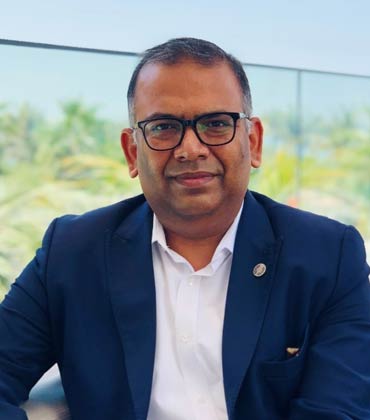
Atul Aggarwal holds unmatched experience in delivering technical solutions focused on improving revenue and workplace productivity over the past two decades. Backed by a degree in computer software engineering, he started his professional career at Jumeirah Hotels & Resorts before moving to Caesars Palace Dubai, where he currently serves as the area director of IT. His profound knowledge and extensive expertise in crafting technical network solutions and establishing IT infrastructure for hotels have helped him become a prominent name in the travel and hospitality industry.
In an interview with the editorial team at Travel and Hospitality Tech Outlook, Aggarwal sheds light on some of the challenges prevailing in the travel and hospitality industry in the Middle East and how technology holds the key to accelerating the industry’s growth.
Could you walk me through your experiences before joining Caesars Palace Dubai?
Prior to Caesars Palace Dubai, I worked at Jumeirah Hotels & Resorts for nearly two decades. During my time there as an IT manager, I was part of the opening of the first hotel with a WiFi connection in the Middle East. Being involved in the pre-opening team gives you experience that managing teams, deadlines, and projects can never offer. I was involved in ten pre-openings across multiple global locations, including Dubai, Maldives, London, Azerbaijan, Turkey, and Germany.
What are some of the significant changes that IT has brought about in the travel and hospitality industry in the Middle East?
The adoption of guest-facing technology is exclusive to the Middle East. Be it booking engines, applications, integrations, or guest rooms, technology has played a key role in propelling the Middle Eastern hospitality sector to the forefront of the industry compared to other major hubs. Hotel and resort personnel can collect and analyze data on guest behavior and individual preferences, which results in better marketing, pricing, and service offerings. This has paved the way for a personalized and seamless guest experience.
“From booking to check-out, every function should be focused on providing the best possible experience. Organizations should invest in hiring and training the right people who are passionate about providing world-class services.”
Technology has improved operational efficiency through process automation and labor reduction. Guests can now check in and check out using mobile devices, access room keys through digital platforms, and use virtual assistants to request services. Improved safety and security measures like biometric identification systems, surveillance cameras, and emergency communication systems are being incorporated for higher vigilance and better security standards. As the area director of IT, it is essential to keep up with the latest technological developments and ensure that Caesars Palace Dubai is at the forefront of innovation in the hospitality industry.
How can the travel and hospitality industry steer clear of the IT implementation challenges?
IT implementation poses numerous challenges to the travel and hospitality sector. It can come across as an extremely complex concept for many businesses, making it difficult for them to understand its effective usage. Compatibility issues with existing systems can also arise with the introduction of new IT systems. This can be a significant barrier for small and medium-sized companies. Inadequate staff training also limits the scope for the effective use of IT systems. At the same time, cyber attacks can lead to the loss of sensitive data, like customers’ personal and financial information.
In light of all these challenges, it becomes imperative to simplify such systems and make them work seamlessly with enhanced security measures. User-friendly software that easily integrates with existing systems holds the key for businesses to overcome complexities and minimize compatibility issues. Robust security features such as firewalls and data encryption can be implemented to protect critical information from data theft. Proper staff training can help maximize effectiveness and alleviate errors.
How can IT innovations spur the growth of the travel and hospitality industry?
Mobile applications, being an integral tool for travel and hospitality businesses, allow customers to make hotel, flight, and rental car bookings seamlessly. Customers get real-time updates on their devices as well as customized recommendations based on their preferences.
With chatbots, virtual reality (VR), and artificial intelligence (AI) becoming increasingly popular in the industry, businesses can enhance their services, increase customer satisfaction, and stay competitive in the industry. VR technology offers a more immersive and personalized experience. It also allows businesses to showcase their property in a more engaging way and give customers a better sense of what they can expect.
AI enables companies to offer the right products and services at the right time by optimizing pricing and inventory management. Other than helping organizations automate customer service and provide assistance around the clock, chatbots also assist with bookings and offer recommendations for restaurants and other activities.
What would be your advice to industry peers and budding leaders to drive success and growth?
Based on my experience, customer experience should be the top priority for IT leaders and all stakeholders. From booking to check-out, every function should be focused on providing the best possible experience. Organizations should invest in hiring and training the right people who are passionate about providing world-class services. Building the right team that promotes a culture of teamwork, communication, and innovation is the key to success.
Companies that are able to adapt to the constantly evolving travel and hospitality industry will emerge successful in the long run. Staying agile in the face of challenges and embracing the latest technology will always provide a competitive edge.
The industry’s impact on the environment cannot be ignored. Businesses that prioritize sustainability will have a positive impact on the world and attract environmentally conscious customers. Leaders need to stay alert and identify robust methods to reduce their carbon footprint and promote sustainable practices in their operations and supply chain.
