





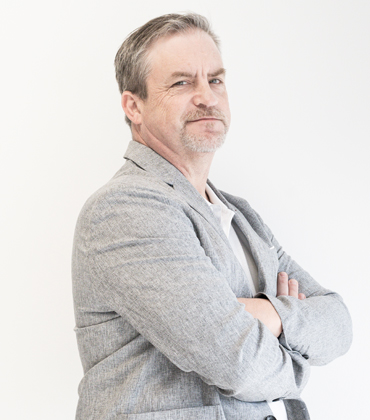
 Chad Burow, Chief Operating Officer Americas
VDA Telkonet combines energy management systems (EMS) with guest room management systems (GRMS) within one hospitality-focused ecosystem. The EMS uses room status from the property management system to deepen setbacks in unsold rooms while maintaining comfort in sold rooms. This flexibility lets owners combine capabilities across property types, investment levels and guest expectations.
Its expertise stems from the 2021 merger of VDA and Telkonet. VDA contributes European expertise in guest room management systems, while U.S.-based Telkonet specializes in energy management. With decades of experience in hospitality technology, VDA Telkonet has installed its solutions in over one million rooms across more than 60 countries, adapting to different regional requirements, standards and design expectations.
The main difference between EMS and GRMS is what they are designed to achieve. Both EMS and GRMS use occupancy and room-status data to reduce energy waste, but with different goals. EMS mainly optimizes HVAC for energy efficiency, while GRMS focuses on the guest experience, managing room functions like lighting, temperature, access and curtains.
“We focus on connecting room technologies so they work seamlessly together, reducing friction and creating a more intuitive experience for guests,” says Chad Burow, Chief Operating Officer Americas.
Building around Connected Hospitality Systems
VDA Telkonet supports a range of HVAC configurations and voltage requirements, allowing hotels to integrate the technology into existing environments without replacing all their HVAC equipment. Its integration capabilities include major door-lock manufacturers and dozens of property management systems through cloud API, on-site IP and serial connections.
Its flexibility extends across property types and investment levels. Owners can select luxury features, including lighting controls and dimming, and introduce them into cost-effective configurations without committing to a full luxury specification. Select-service, full-service and luxury properties can choose capabilities suited to guest expectations under a common technology ecosystem.
-
We focus on connecting room technologies so they work seamlessly together, reducing friction and creating a more intuitive experience for guests.
Its technology moves beyond intermediary network architecture used in older systems. Instead of relying on access points and coordinators between the guest room and IT closet, it uses the property’s Wi-Fi through an isolated band. In some configurations, thermostats communicate directly with the cloud, reducing hardware, labor, expense and points of failure, simplifying deployment without compromising Wi-Fi performance. The architecture also undergoes penetration testing to meet the cybersecurity requirements of major hospitality brands.
Balancing Efficiency with the Guest Experience
VDA Telkonet’s software gives operators energy data to support sustainability goals, compare performance against ESG targets and identify actions, including adjusting room setbacks. That analysis draws on accumulated hospitality experience, helping the platform provide targeted recommendations without compromising guest comfort.
In one instance, a U.S. owner with approximately 15 properties wanted to manage ESG and carbon-reduction goals centrally while accounting for differences in climate and property type. VDA Telkonet’s cloud-based platform allowed the client to establish regional targets, view portfolio-level data remotely and adjust energy-management strategies according to local conditions. The technology platform was also standardized without applying identical guest-room specifications to every property.
“Design is part of our DNA, and sustainability means using energy more intelligently while improving building efficiency, guest experience and hotel operations,” says Barbara Alvino, Communication and Marketing Manager. “Technology should also make work easier for staff, giving them more time to focus on guests.”
Drawing on its Italian heritage, VDA Telkonet works with designers and architects to create room controls that reflect each space, including products developed with Gensler.
For VDA Telkonet, success means delivering a seamless guest experience supported by technology that works quietly in the background. That balanced focus on smart, guest-conscious hospitality technology has earned it the recognition of Top Smart Hospitality Technology Solutions 2026.
